Commonhold Property Ownership
Historically there have been two legal estates in land (a legal measure of someone’s interest in land), freehold ownership and leasehold ownership. Freehold is for an unlimited duration and leasehold is for a set term of years.
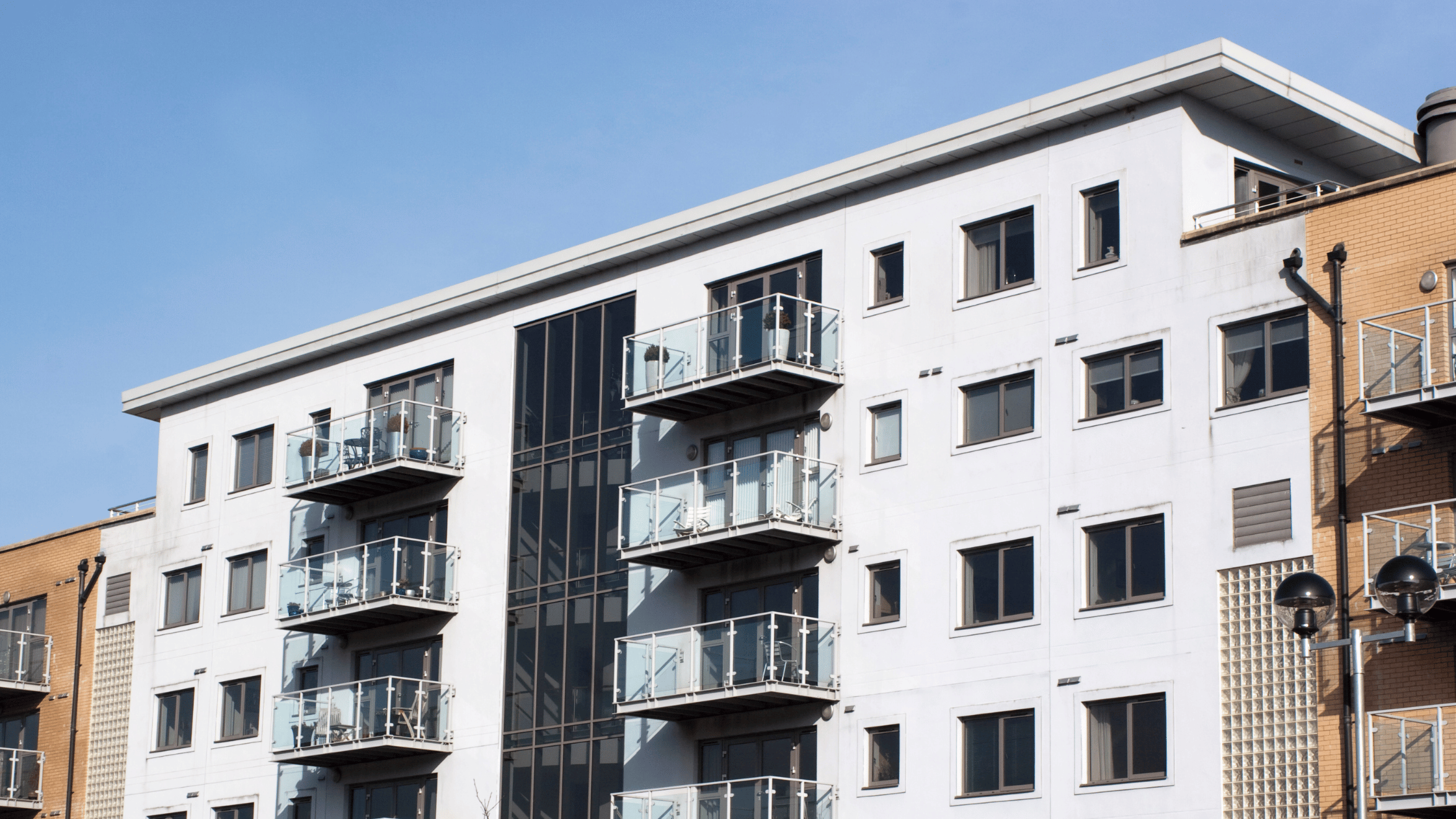
Commonhold is a newer type of ownership and is a form of freehold property ownership for flats and other independent buildings in England and Wales. It is hoped this will avoid the shortcomings of leasehold ownership.
Commonhold is forever and unlike leasehold there is no separate freeholder, no ground rent, and as there is no separate freeholder, there is no forfeiture (when the freeholder can take the lease back from the tenant)
The unit (block) is commonhold and owners become a member of the Commonhold Association. The Association has a Commonhold Community Statement which states the rules of the building. Like a residents’ association in leasehold property, the members of the Commonhold Association have a say in how the building is run.
Like leasehold property, unit owners are required to contribute to the costs of the commonhold. The Association determines the sums needed for:
- repair and maintenance;
- insurance;
- management costs; and
- reserve funding for future expenditure, where applicable.
In summary:
- each owner holds the freehold of their individual property, known as a unit;
- the shared parts of the building or estate, known as the common parts, are owned and managed by a Commonhold Association; and
- the rights and obligations of owners and the Association are governed by a statutory rulebook called the Commonhold Community Statement (CCS).
In 2020 the Law Commission were tasked by the Government in trying to reinvigorate Commonhold due to issues over leasehold titles as leaseholds can be seen as unfair and expensive. The draft Commonhold and Leasehold Reform Bill was published on 26 January 2026.
What does the future hold for property ownership? Only time will tell…
If you would like to discuss any issues regarding property ownership do not hesitate to contact me on sara.legrove@cognitivelaw.co.uk.